




 Whitman Expo
Dollars Struck Over Three Centuries
As dealers, collectors and investors all know, Morgan and Peace silver dollars are extremely popular American coins because of their history, legends, and silver content.
by Michael Garofalo |
Published on August 14, 2026

Download the Greysheet app for access to pricing, news, events and your subscriptions.
Subscribe to Greysheet for the industry's most respected pricing and to read more articles just like this.
After the Coinage Act of 1873 briefly took America off the silver standard, the Bland-Allison Act of 1878 restored silver coinage and the silver dollar coin. Bland-Allison went much further in that it required the Secretary of the Treasury to purchase between $2 and $4 million dollars’ worth of newly mined American silver each month.
Assistant Chief Engraver George T. Morgan designed a new coin that depicted an allegorical representation of Liberty on the obverse and a heraldic type eagle on the reverse. The newly designed Morgan dollar would be struck from that silver.
Beginning in 1878, millions of these coins were struck annually in Philadelphia, Carson City, New Orleans, San Francisco and, much later, at the Denver minting facilities. The coins were struck annually from 1878 through 1904.
As the West was settled, demand continued to shrink and bags of unwanted silver dollars were piling up inside the Treasury Department’s vaults. The Pittman Act of 1918 required the United States to sell silver to Britain and to replenish domestic stocks by buying newly mined silver from western mines and striking new silver dollar coins from that silver.
After World War I ended, millions of these silver dollars were sold to Great Britain to restore faith in the British pound. In order to assist our ally, the United States melted 270 million silver dollars into silver bars and sold the silver to them at $1 per ounce.
Since the Pittman Act required the Mint to strike silver dollars, the Morgan silver dollar was struck once again in 1921. Between 1878 and 1921, a total of 657,102,610 Morgan Silver Dollars were struck, with more than 76 million struck in 1921 alone.
However, due to the end of World War I, a change in design was desired. There was an outcry amongst the public to create a coin design that would honor the end of the "War to End All Wars," which had just ended in Europe in 1918.
The Commission of Fine Arts (CFA) invited eight sculptors and Mint Engraver George T. Morgan to submit designs for the new silver dollar coin. The official deadline for sketches was December 12, 1921 and the CFA unanimously selected the design submitted by the youngest of the artists, his first submission ever.
Anthony de Francisci, an Italian immigrant who used his young wife, Teresa, as his model for the allegorical representation of Liberty, submitted his sketch and was unanimously chosen. Mint Director Raymond Baker and the CFA officials outlined all the necessary changes on December 15th and one of the tweaks required adding a broken sword to the reverse. The intent of the broken sword was to demonstrate the cessation of fighting and the end of the war.
On December 26th, the first Peace dollars were struck at the Philadelphia Mint, but not without controversy. When descriptions of the new design were released, the public, and especially the WWI veterans themselves, were outraged since a broken sword generally depicted a defeated army.
The Mint had a dilemma, so they turned to Morgan. He painstakingly scraped the broken sword elements off the single existing master hub by hand. He then re-engraved the area where the sword previously had been.
From December 26th through December 31st, these coins were struck around the clock to produce a quantity to be released in early January. The official release date occurred on January 3, 1922. Peace dollars were struck sporadically through 1934 and a total of 190,577,279 Peace silver dollars were struck.
As the year 2021 approached, the U. S, Mint recognized that the 100th anniversary of the transition from striking Morgan silver dollars to Peace silver dollars should be celebrated with "new and improved" coins, as the vintage Morgan and Peace dollar coins were extremely popular with collectors.
Congress unanimously passed the 1921 Silver Dollar Coin Anniversary Act (Public Law 116–286) and it was signed into law on January 5, 2021. Once the legislation was approved, the Mint used precise digital scans of the original dies to ensure that the coins would be as identical to the originals as possible. To make them more attractive to collectors, the coins were struck in .999 fine silver as opposed to the original 90% silver, 10% copper composition. Privy marks celebrated the "O" and "CC" mintmarks of the past and Proof coins had mintages high enough so that everyone who wanted a Proof Morgan or a proof Peace dollar could easily afford one.
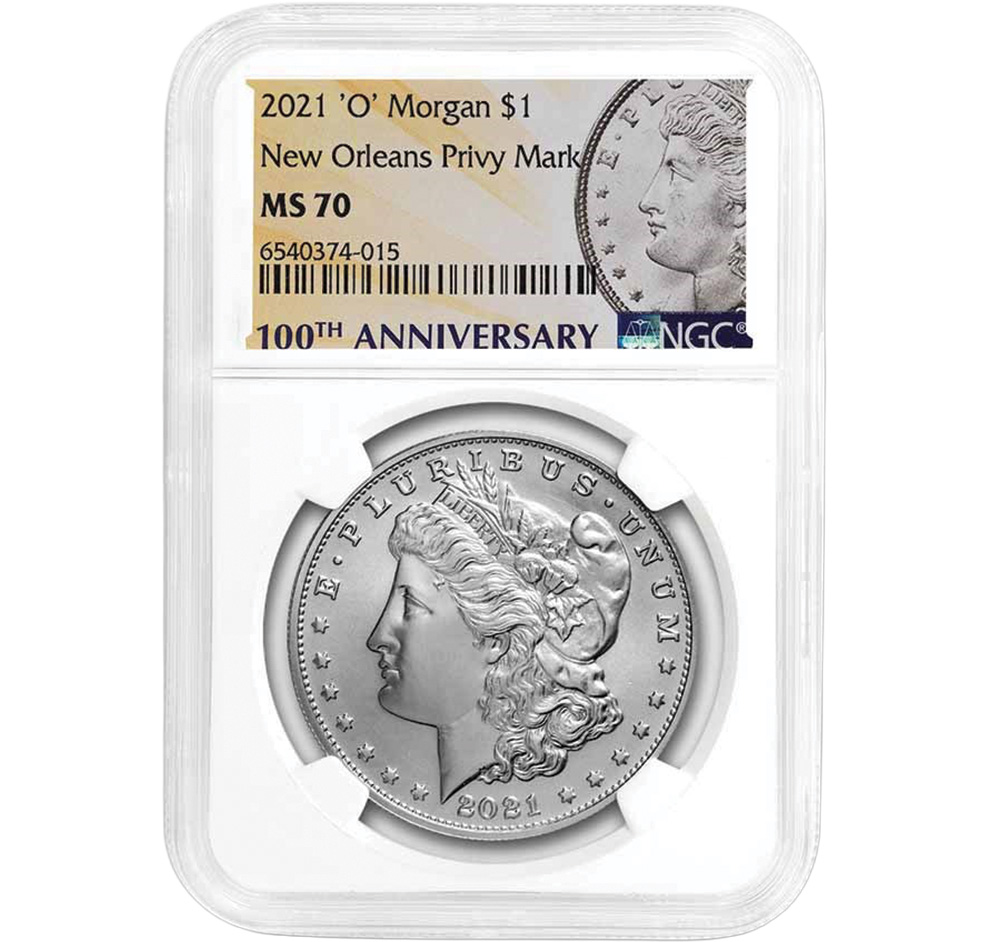
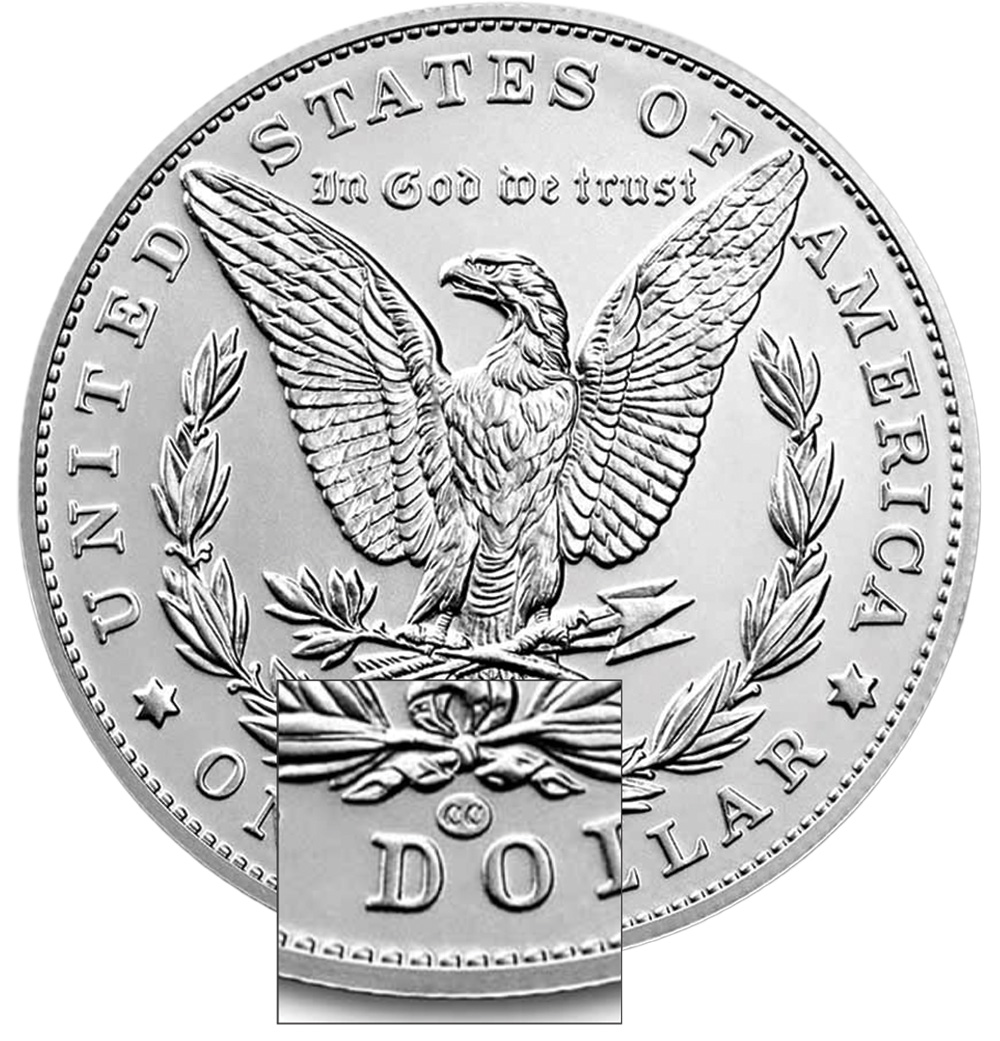
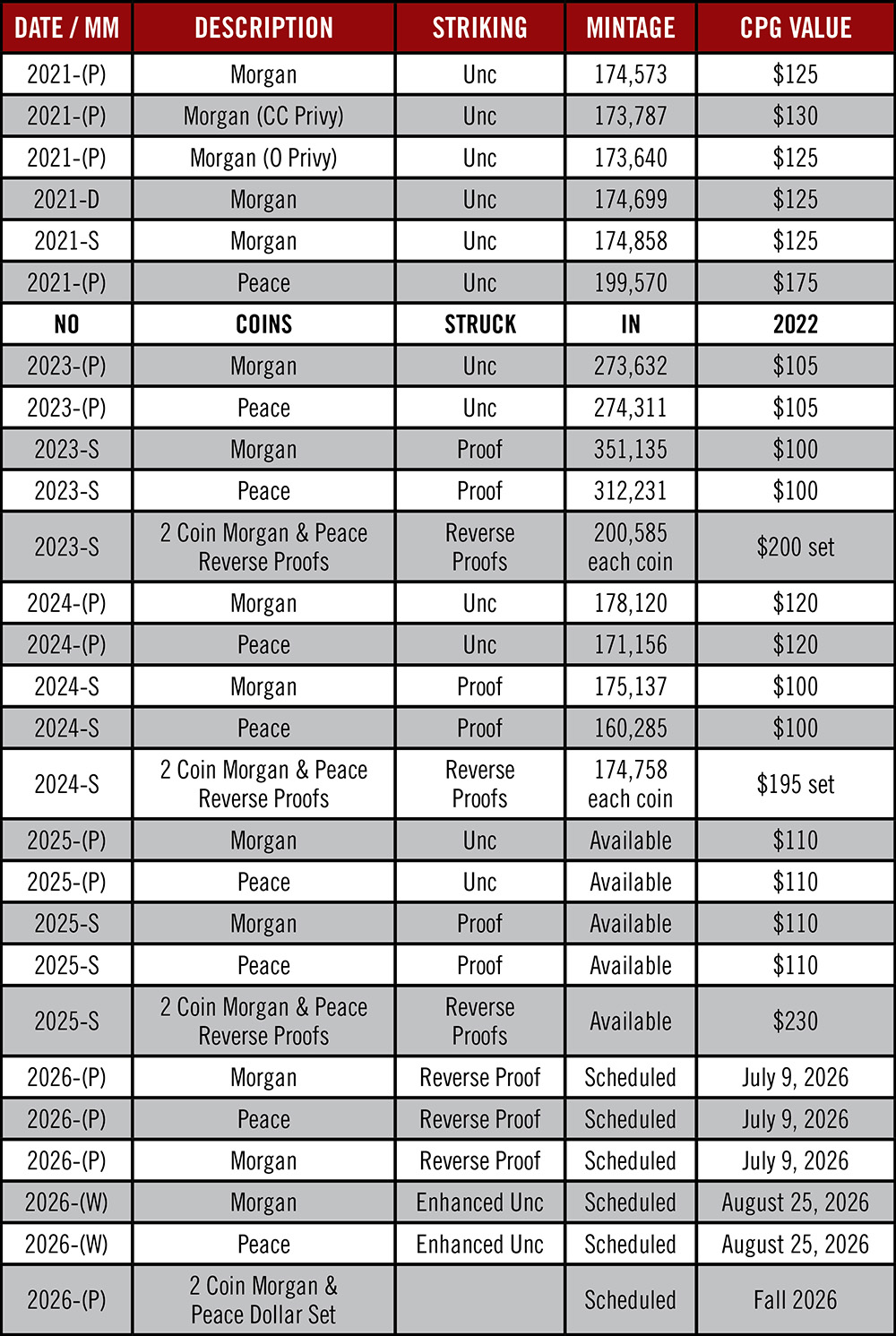
For 2021, the Mint struck six issues—5 Morgan Dollars and 1 Peace Dollar. The 2021 coins experienced unbelievable demand. The first coin struck was a 2021-P Morgan dollar with a "CC" privy mark, honoring the Carson City Mint. These coins, seemingly, were sold out in only a few minutes. However, it was a very chaotic day for both dealers, collectors, and the U.S. Mint. The Mint’s website crashed repeatedly, and there was bot interference placing multiple orders. To prevent this problem from happening, the Mint used pre-sale windows in May and again in August. Both times, many collectors were disappointed when they finally connected to the Mint’s website only to see the coins at "Currently Unavailable" status, even though the pre-sale window had not expired. This led to various explanations as to whether the Mint was actually sold out or not. In any event, after a few minutes, no more orders were taken. The next coin was the 2021-P Morgan dollar with the "O" New Orleans Mint privy mark. Collectors had no better luck ordering these New Orleans Mint privy-marked coins.
The Denver Mint 2021-D and the San Francisco 2021-S mint issues both sold out in less than 30 minutes on August 3rd. The 2021-P Morgan, and the Peace Dollar issue, both struck at Philadelphia were sold out within 30 minutes. The final tally of all coins sold was just under the legislated mintage limits of 175,000 for each of the five Morgan dollar offerings and 200,000 for the single Peace dollar.
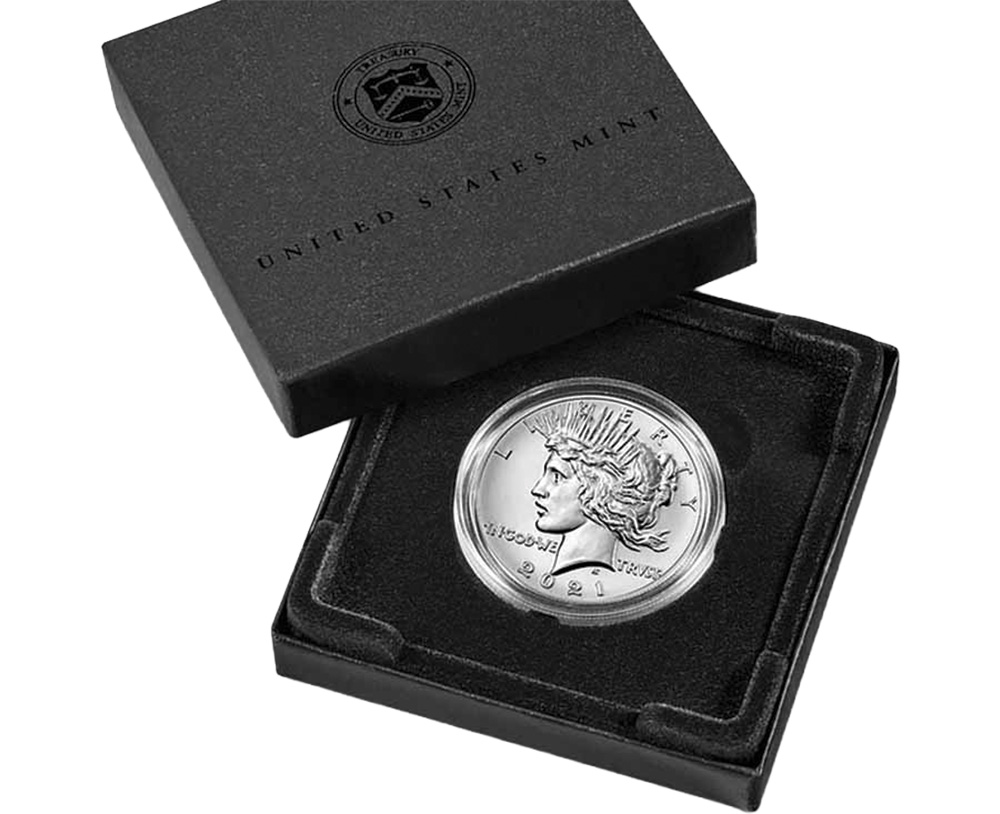
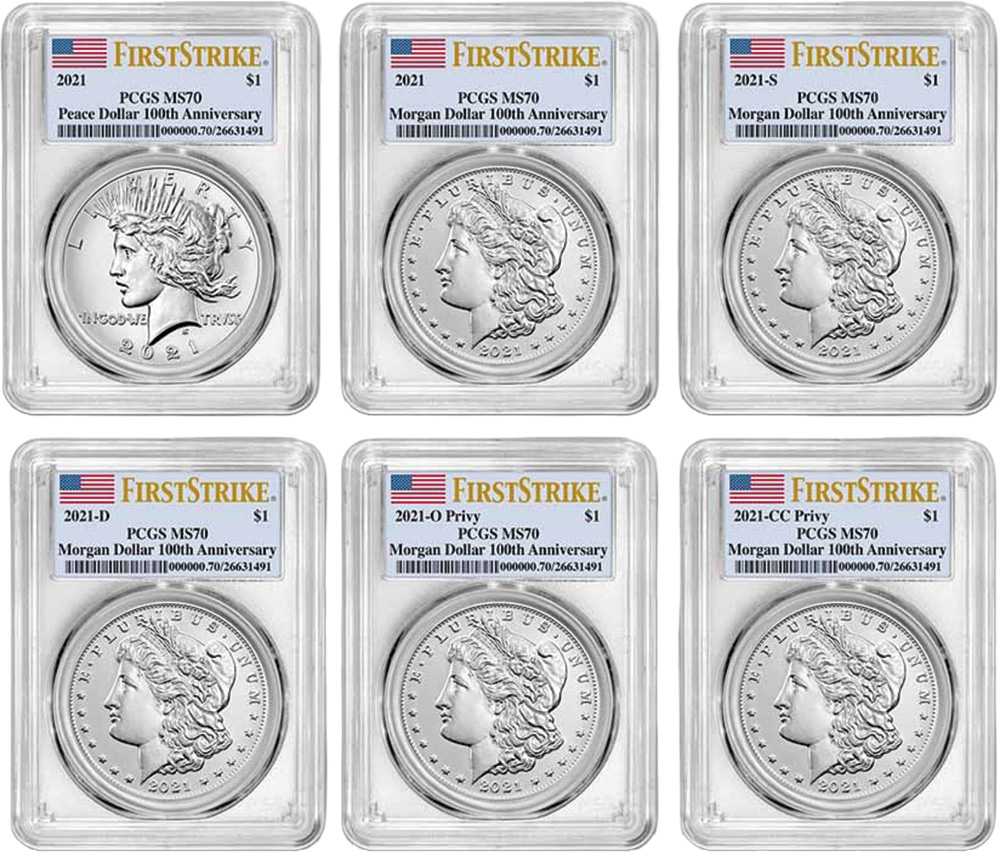
The Mint stopped selling Peace dollars, for example, at 199,570 coins, a mere 430 coins shy of an actual sellout. That occurred because the Mint’s website was programmed to audit orders placed as the limits were neared. This was done in order to cancel duplicate orders made by bots, remove any fraudulent credit card orders and process customer returns for quality or other issues.
Collectors shut out by the U.S. Mint turned to online sales and to dealers to buy their 2021-dated six-coin set. At the time, sets were offered at $510, which was only $85 per coin. Today, a set of all six 2021 issues, graded as MS70, and certified by CAC, NGC, or PCGS is worth $2,500.00!
In 2022, because of the supply chains that were disrupted in 2020 and 2021, the U. S. Mint had great difficulty in securing the numbers of raw silver planchets that would have been needed for the continuation of the latest Morgan and Peace silver dollar program. Due to this massive shortage, the U.S. Mint dedicated those silver blanks to its core bullion products and canceled this program for one year.
To reinvigorate the program in 2023, the U. S. Mint again struck six 2023-dated coins—two Uncirculated, two Proof and a set of two Reverse Proof coins. This was the first time in the history of Morgan and Peace silver dollars that either coin had a Reverse Proof finish.
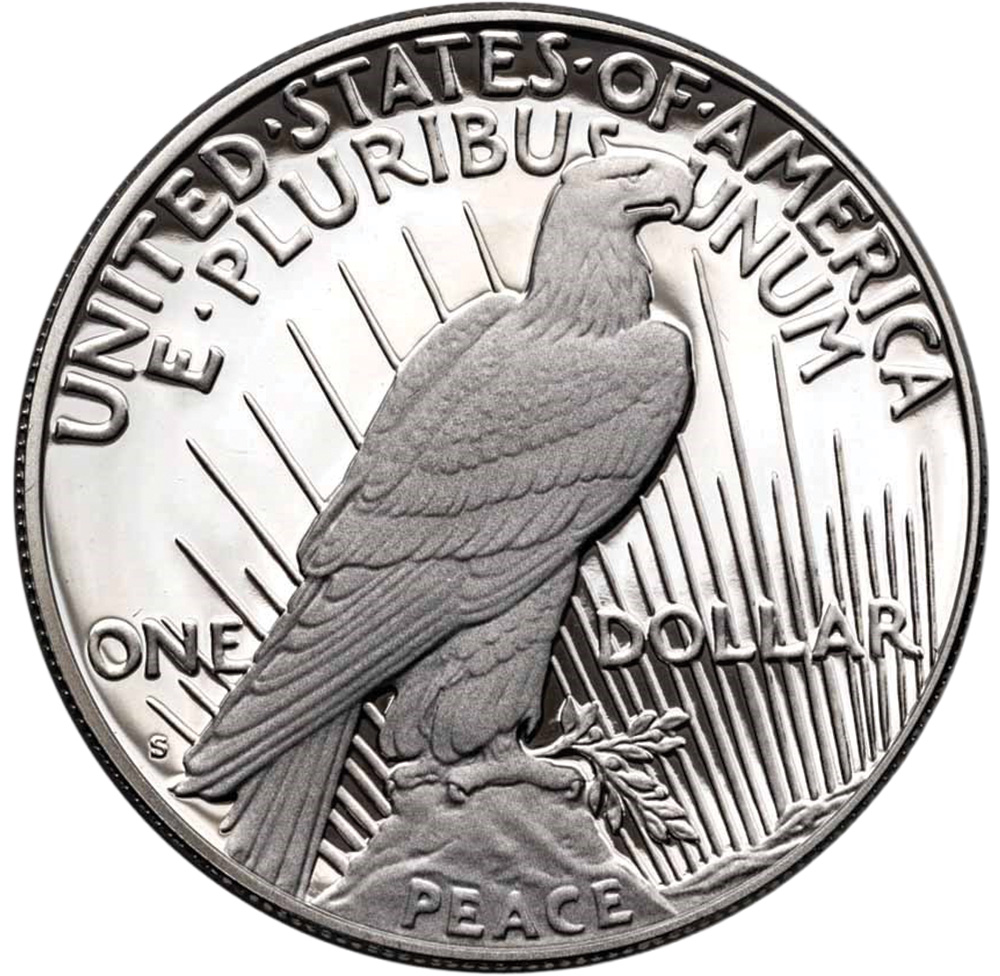
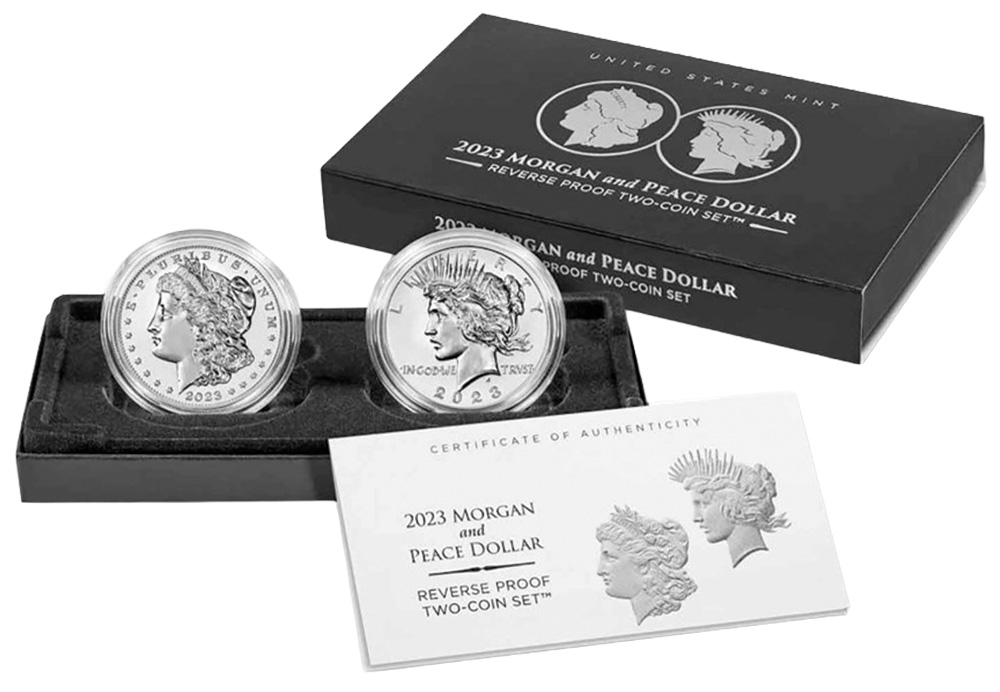
In 2024, the U. S. Mint again struck 2 Uncirculated coins, 2 Proof coins and 2 Reverse Proof coins, a Morgan, and a Peace dollar, each with an "S" mintmark. In 2025, the Mint offered the exact same options as the struck in 2024—2 Uncirculated coins, 2 Proof coins and 2 Reverse Proof coins, a Morgan, and a Peace dollar, each with an "S" mintmark. In 2025, the Mint reduced the maximum mintages to correspond to a lower demand.
All five of the 2025-dated options are still available for sale on the U.S. Mint’s website, so total mintages are still being compiled.
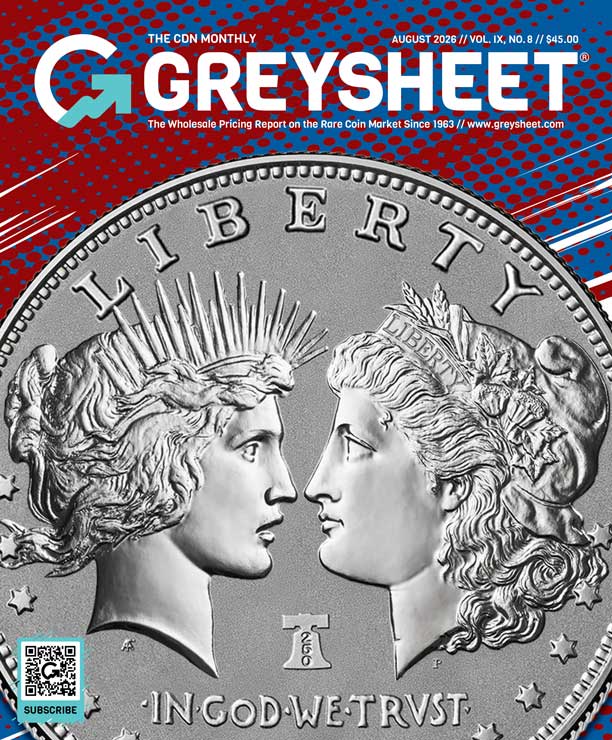
To celebrate America’s 250th birthday, each of these 2026-dated dollars bears the dual date '1776~2026', similar to the dating for the 1776•1976 Bicentennial quarters, half dollars and Eisenhower dollars. The mint has scheduled two releases—July 9th for Morgan and Peace Reverse Proof coins and August 25th for enhanced Uncirculated Morgan and Peace dollars struck at the West Point Mint. There will also be a two-coin set scheduled for release in the Fall of 2026 but no details as to their qualities have yet been released.
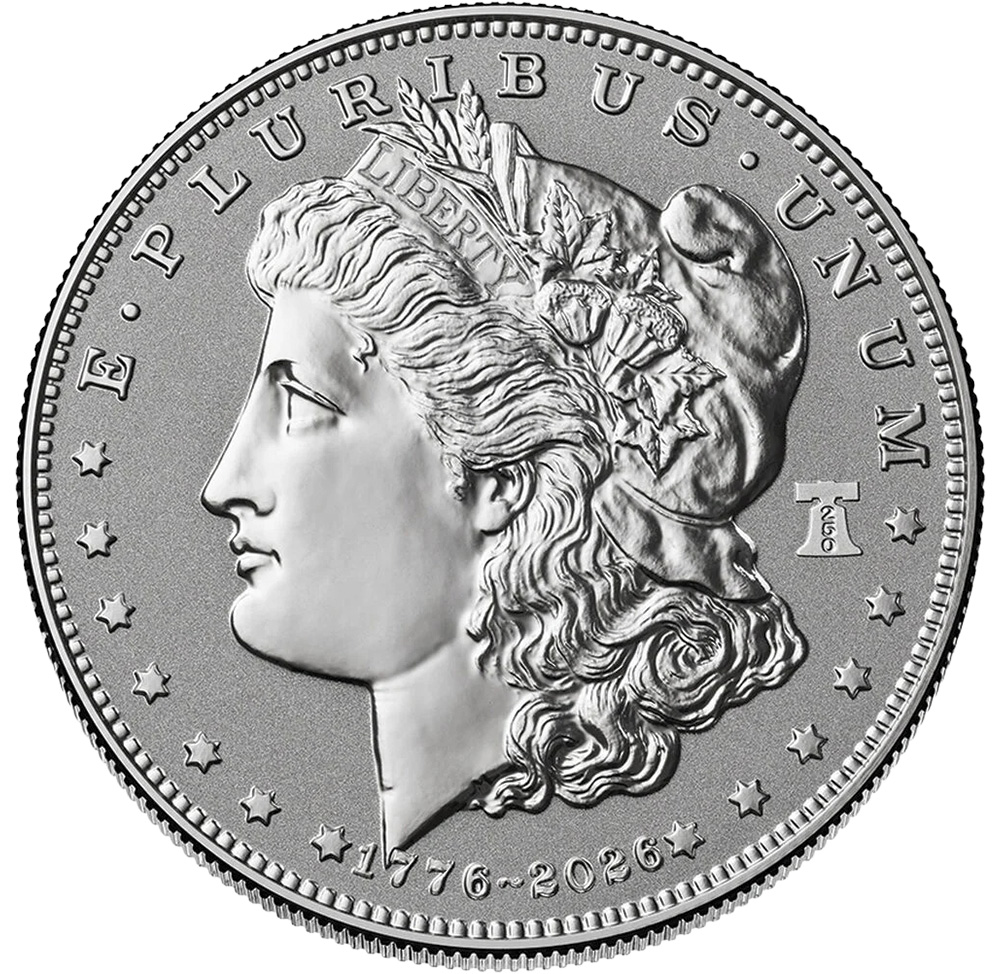
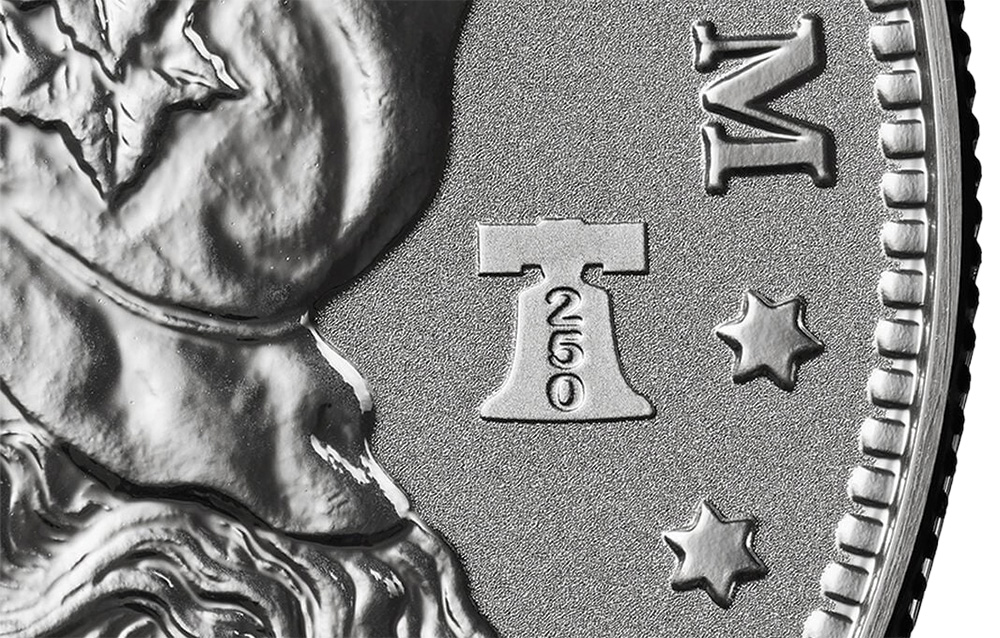
This truly is a great series to collect and buying them now, while they are available, may be a very prudent thing to consider.
Images courtesy of APMEX, apmex.com & The U.S. Mint, usmint.gov.
A Listing of All Modern Morgan and Peace Dollars

Related Stories (powered by Greysheet News)
View all news
It is imperative that you research any Proof set before purchasing in order to determine the number of silver coins, the fineness, and the total weight of the silver content as they vary from year to year and from type of Proof set.

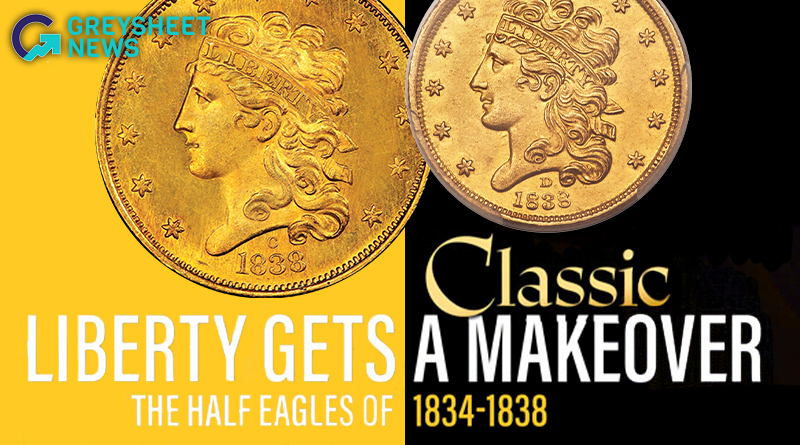
These coins were struck for five years—between 1834 and 1838—and they were struck every year at the Philadelphia Mint.
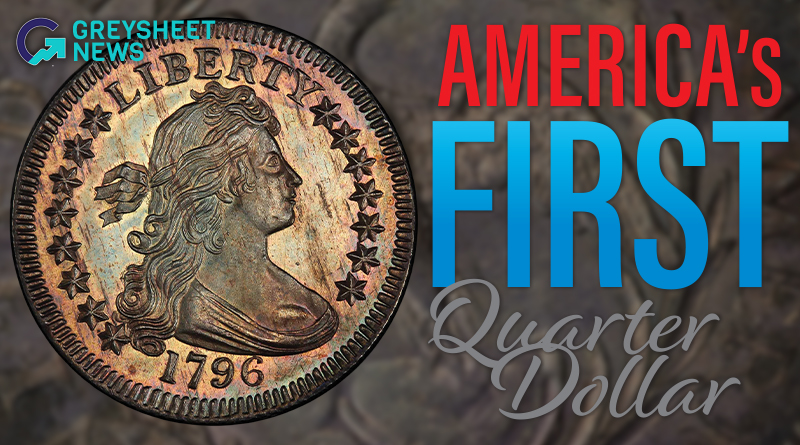
The 1796 Draped Bust quarter dollar is a very important first-year of issue, one-year type coin and the only American quarter struck during the 18th century.
Please sign in or register to leave a comment.
Your identity will be restricted to first name/last initial, or a user ID you create.
Comment
Comments